If what goes up, must come down then in cycling terms what comes down, then nearly always must go up. When I planned the trip to follow a river, I was aware that rivers do flow down and that generally we would be going more down than up. The first 7km from Kvilda to Borova Lada really were down – such a reward from the long climb of the day before. We hit our highest ever speed on Bromptons at at least 35mph. It was within the speed limit so no worries. But with the downs came the cold. We left Kvilda with the temperature lurking around 4 degrees C. Throughout the day it was gloves and hat after I had removed the thermal vest I started out with. So the downhill stretches were welcome but often a sign that we would have to make back up most of the height around the next corner, but then again a bit of climbing put back the warmth into my freezing fingers.
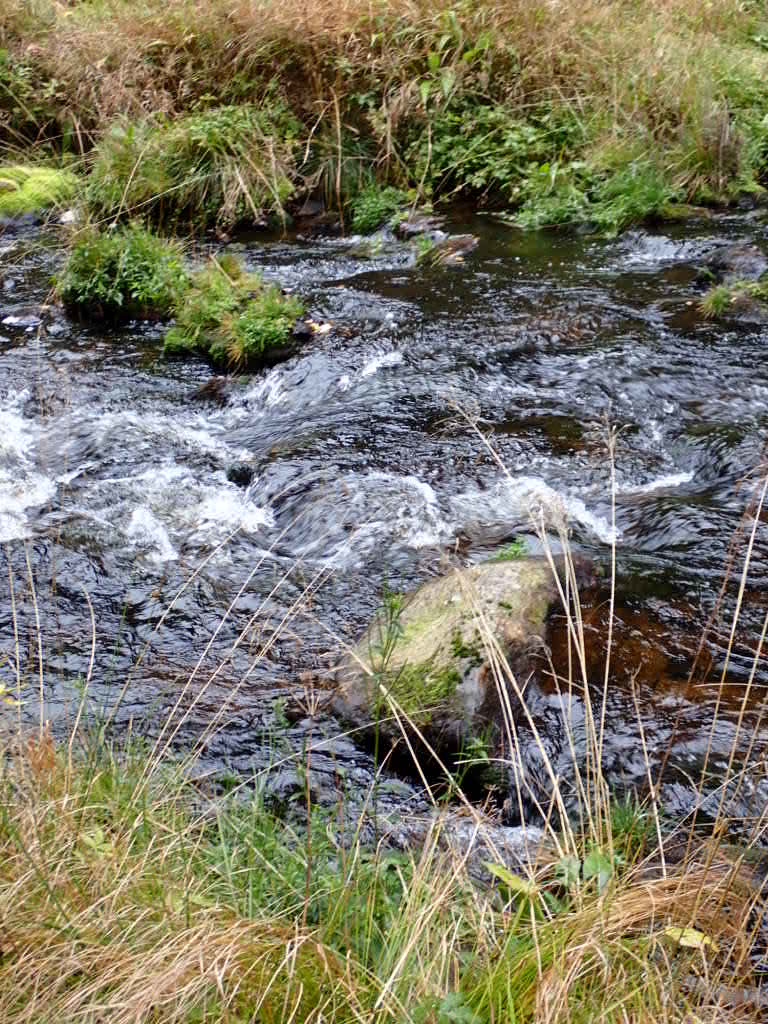
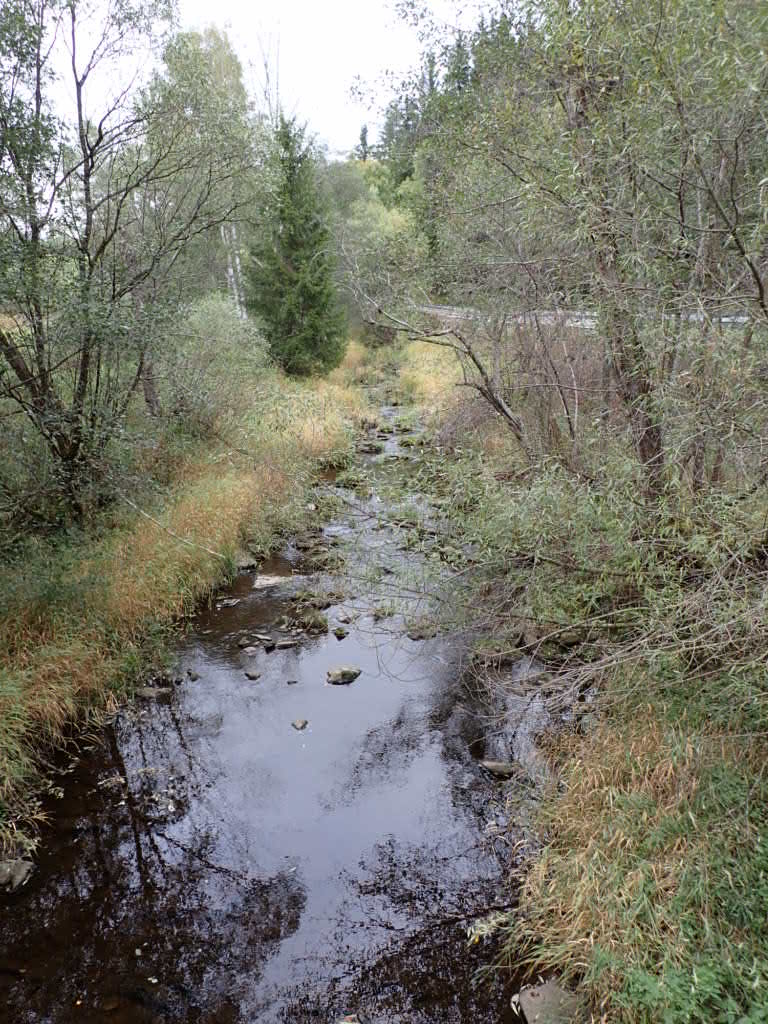
The countryside that the Upper Vltava flows through is very easy on the eye. All day I was looking out for the river and, when hydro-electricity is not using the water, the sound is beautiful. Smetana captures it stunningly, building up from a single melody line to such a complex cacophony, as more tributaries join and the river becomes more than a bubbling brook. The theme for the piece comes from a 16th century Italian song that formed the basis for a number of central European folk songs and then latterly, the Israeli national anthem.
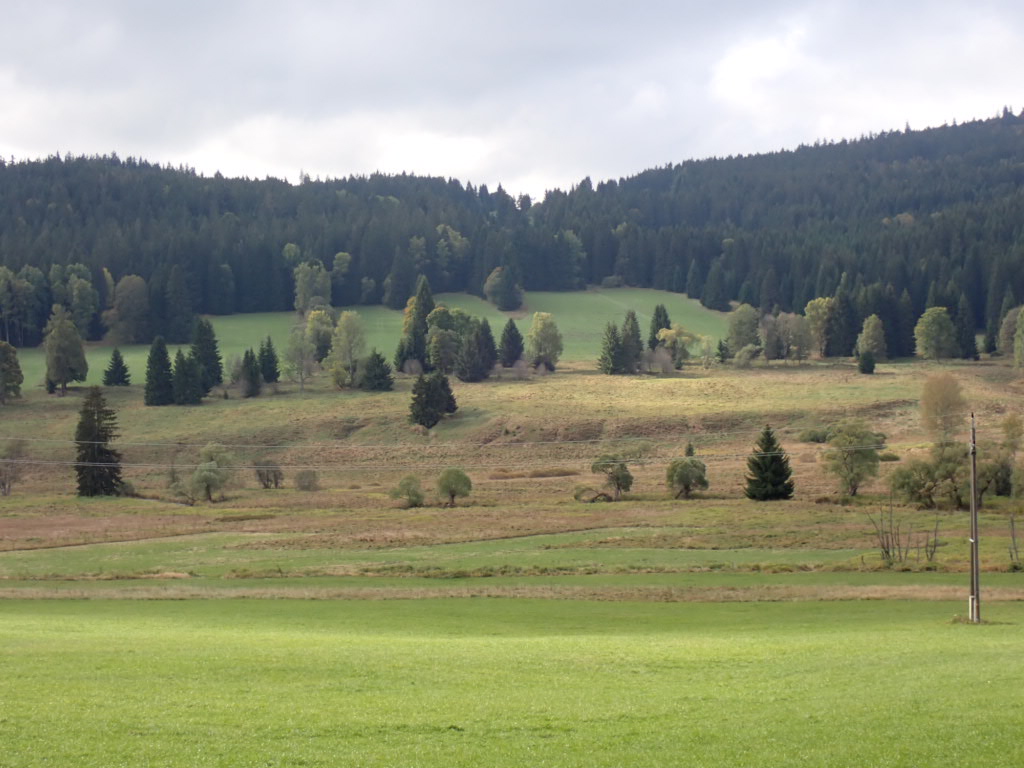
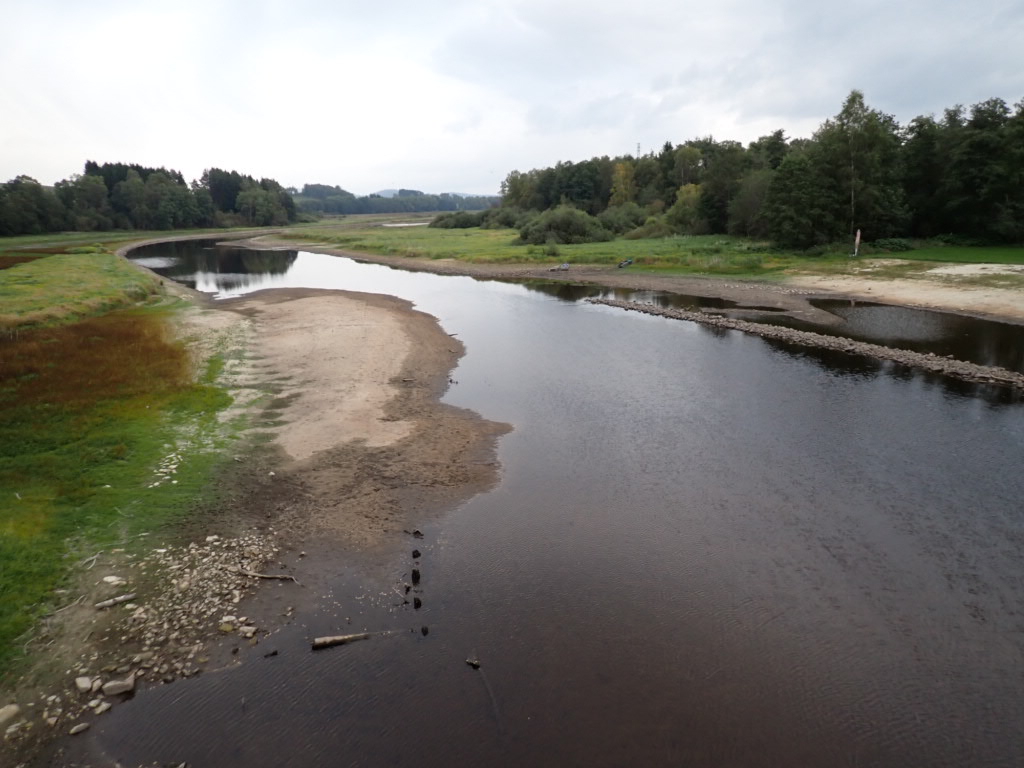
The minor key of the theme seems to suit the sad history that is often evident in the region. After Germany annexed the Sudetenland in 1938 Nazi law was introduced into the region and the large Jewish population was persecuted as elsewhere. But the Czech population was also seen as ‘untermenschen’ by the Nazis and were used for forced labour. After the war, the tables were turned. The photo above on the right shows where the village of Birkenhaid (its German name)/ Brezova Lada (Czech name) was. They produced glass rosary beads but after the war the village was abandoned when mass expulsions of ethnic Germans started in the region. In October 1945 the Czechoslovak president called for ‘the final solution to the German question’. Having been to Wannsee where the Nazis discussed the ‘final solution’ which took the Holocaust to a new terrible level, you just wonder if people will never learn. Over 2 million ethnic Germans were taken from their homes and forced out of the country. Around 15,000 are believed to have died in the process.
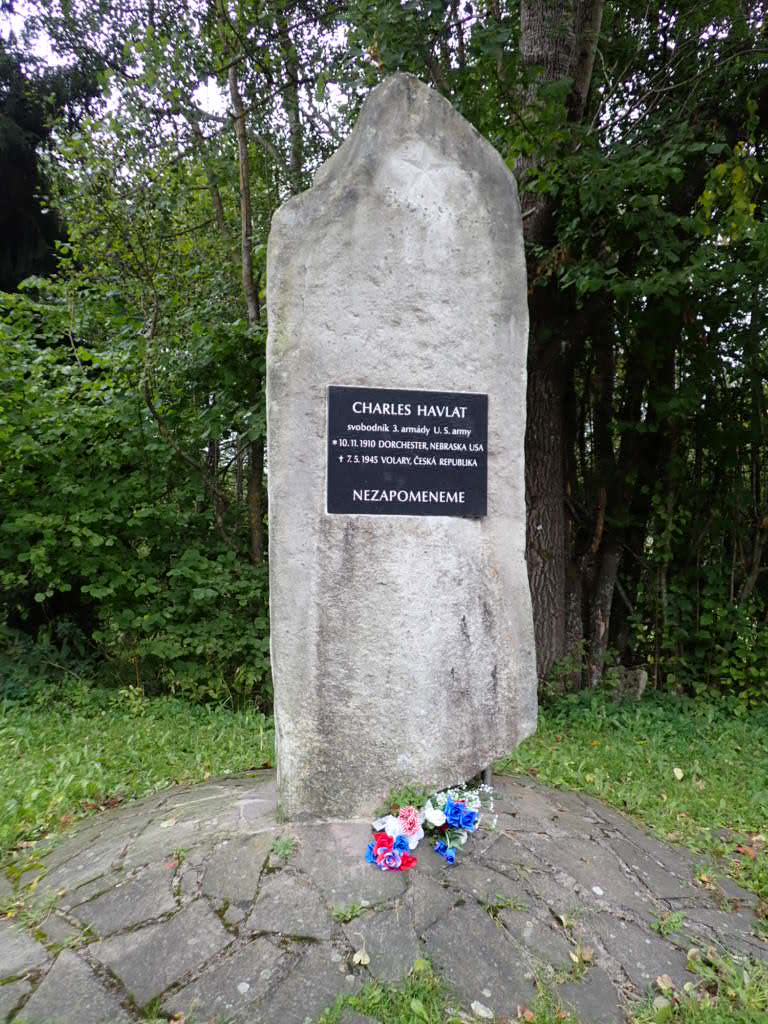
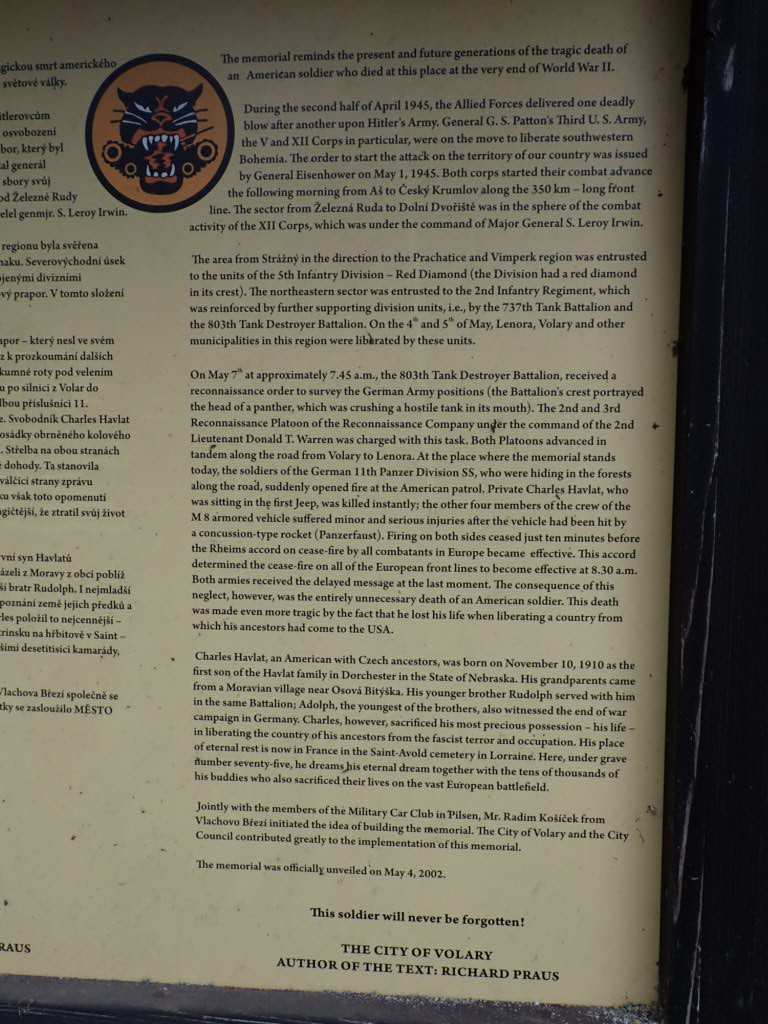
I have tried to read a number of information boards along the way, but even if in German, I have struggled to get more than the gist. Two bits in English stand out and made me uneasy but it took me a while to work out why. Back to Freyung in Germany on our route up to the source. There was a commemoration of those in the town that actively worked to surrender to the Americans in 1945 and so avoid many deaths of the military on both sides, and civillians in the town. It also made ‘special mention’ of those that had campaigned to not surrender. The board spoke of the Americans as invaders. Just hold on to that thought whilst I take you to another board that I saw near the Vltava, remembering an American soldier, whose forebears had emigrated from the region, who was killed during the ‘liberation’ by the American army just after the ceasefire had been declared, but the news had not got through to the armies on the ground yet. I was struck by these boards that had been erected years after the events but used such different language in two different countries, that the Germans might still describe the Americans as invaders.
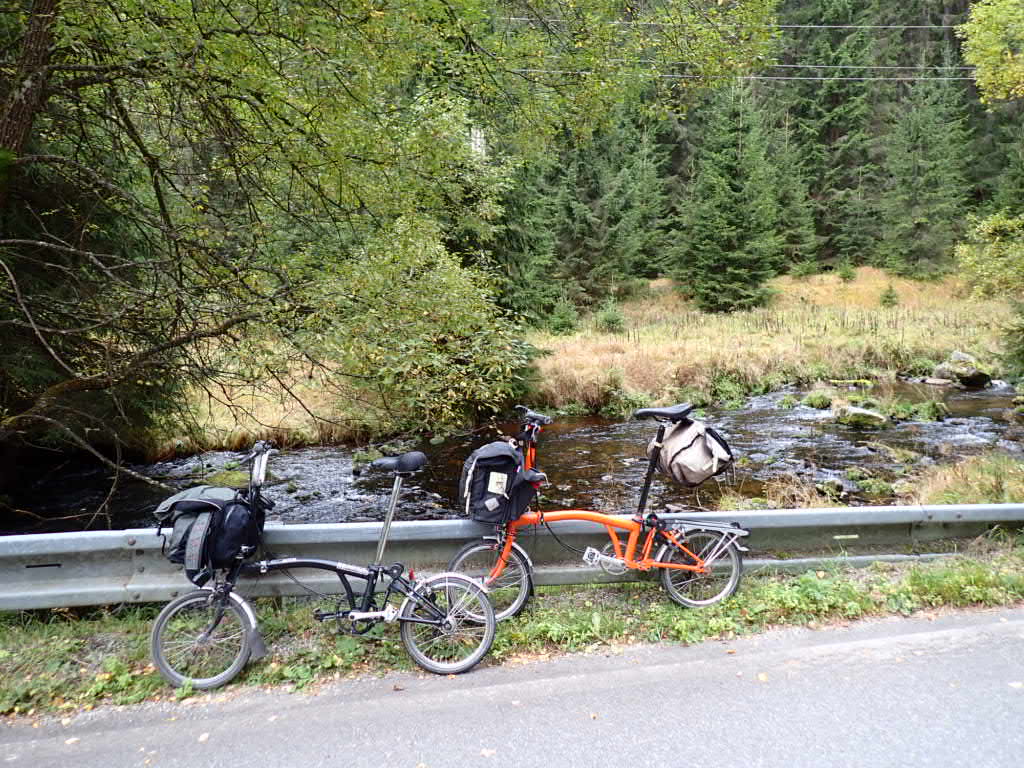
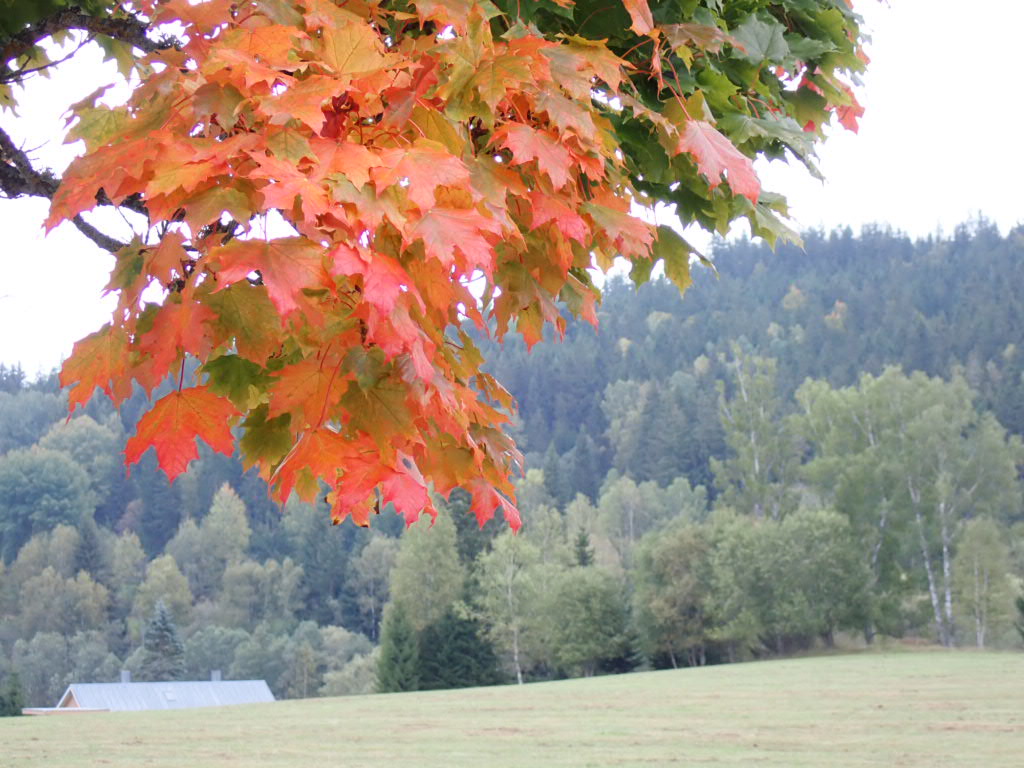
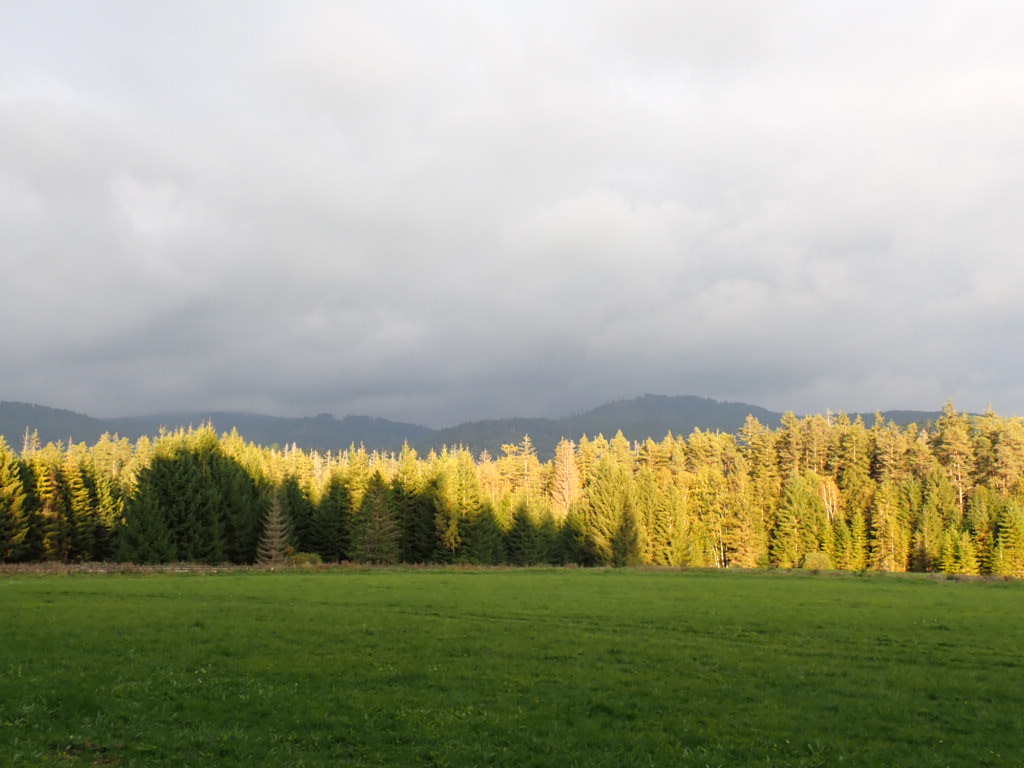
And some last pics of a lovely day – absolutely shattered though!
 Claire on the Move
Leave a comment